
Confidence Boosters for Young Adults That Actually Work
Confidence is often misunderstood. Many young adults think confidence means being loud, fearless, or always sure of yourself. In reality, confidence is much quieter and more practical. It is the ability to trust yourself, handle uncertainty, and move forward even when you feel unsure.
This article focuses on confidence boosters for young adults that are realistic, repeatable, and useful in everyday life. These are not temporary motivation tricks. Instead, they are systems and habits that slowly build confidence from the inside out.
Understanding Confidence Before Trying to Build It
Confidence does not appear overnight. It grows when your actions consistently prove to your brain that you can handle life.
Low confidence usually comes from:
- Fear of judgment
- Lack of clarity about personal strengths
- Past failures or comparisons
- Inconsistent routines
- Depending too much on external validation
Therefore, real confidence boosters for young adults work by reducing dependence on others’ opinions and increasing self-trust through action.
Building Confidence Through Small Personal Wins
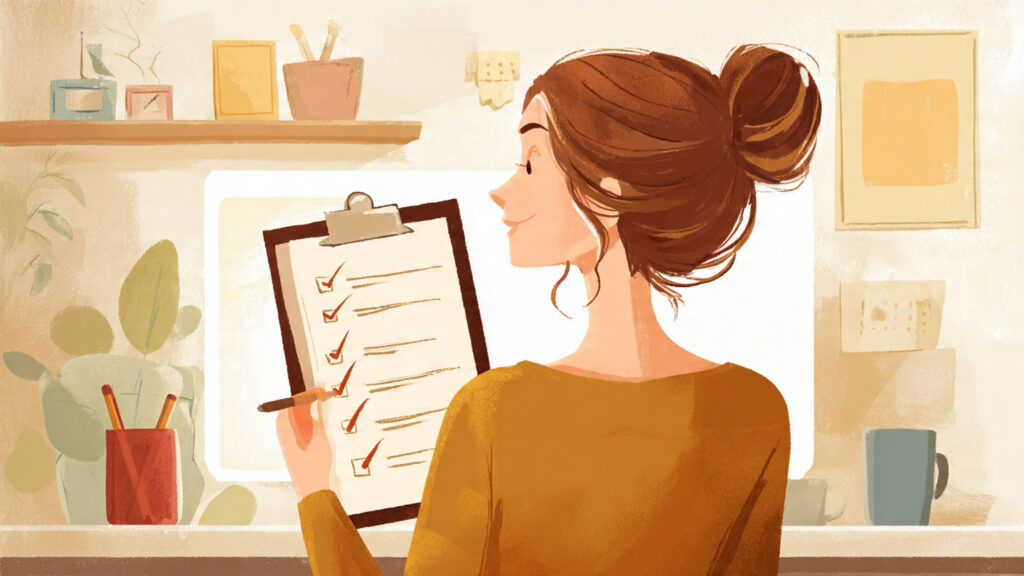
One of the strongest confidence boosters for young adults is the habit of collecting small wins.
Large goals feel overwhelming. However, small completed actions train your brain to associate effort with success.
Examples of small wins:
- Completing a short daily task
- Finishing something you usually delay
- Keeping a promise to yourself
- Practicing a skill for 20 minutes
- Speaking up once in a discussion
Over time, these small wins stack up. As a result, your self-image changes from “I can’t” to “I usually figure things out.”
Why Self-Trust Matters More Than Self-Belief
Many people focus on believing in themselves. However, belief without evidence is fragile.
Self-trust is built when:
- You follow through on commitments
- You forgive yourself for mistakes
- You make decisions and stand by them
- You learn instead of quitting
Confidence boosters for young adults should always aim to strengthen self-trust, not create fake positivity.
Instead of saying:
“I believe I can do this”
Say:
“I’ll try, learn, and adjust if needed”
This mindset removes pressure and builds stable confidence.
Skill-Based Confidence Is the Most Reliable

Confidence grows fastest when it is tied to skills.
When you develop real abilities, confidence becomes a natural side effect.
Skill-based confidence boosters include:
- Learning communication skills
- Improving problem-solving ability
- Developing a professional skill
- Practicing emotional regulation
- Building discipline through routines
Even basic skills, when practiced consistently, change how you see yourself.
Many young adults struggle with confidence because they fear speaking incorrectly or being misunderstood.
Improving communication does not mean becoming perfect. It means becoming clearer.
Practical ways to improve communication:
- Speak slower than you think you should
- Pause instead of filling silence
- Ask questions instead of pretending to know
- Practice explaining simple ideas clearly
As communication improves, social confidence increases naturally. This is why communication is one of the most effective confidence boosters for young adults.
Confidence and Physical State Are Connected

Your body strongly affects your mental state.
Poor sleep, lack of movement, and constant screen exposure quietly reduce confidence.
Simple physical confidence boosters:
- Regular walking or light exercise
- Maintaining basic posture awareness
- Consistent sleep schedule
- Reducing excessive social media use
These changes seem small. However, they directly improve mood, energy, and self-perception.
Reducing Comparison to Protect Confidence
Comparison is one of the fastest ways to destroy confidence, especially in young adults.
Social media shows outcomes, not struggles. When you compare your beginning to someone else’s highlight, confidence drops.
Healthy alternatives to comparison:
- Track personal progress instead of others
- Compare current self with past self
- Limit exposure to content that triggers self-doubt
Confidence boosters for young adults should always include protecting mental space, not just adding new habits.
Decision-Making Builds Confidence Over Time
Avoiding decisions weakens confidence. Making decisions, even imperfect ones, strengthens it.
Confidence grows when you:
- Decide without overthinking
- Accept responsibility for outcomes
- Learn from mistakes instead of regretting them
Start with small decisions:
- What to study
- How to structure your day
- Which habit to build first
Each decision trains your brain to trust itself more.
Emotional Awareness as a Confidence Skill
Many young adults confuse emotions with weakness. In reality, understanding emotions increases confidence.
When you can name what you feel, you can manage it better.
Confidence boosters through emotional awareness:
- Journaling thoughts without judgment
- Identifying triggers of anxiety
- Learning to pause before reacting
- Separating feelings from facts
Emotional intelligence allows you to remain steady even in uncomfortable situations.
Confidence in Social Settings Without Acting Fake
You do not need to become extroverted to be confident.
Quiet confidence exists.
Ways to feel confident socially without pretending:
- Focus on listening instead of impressing
- Ask thoughtful questions
- Speak only when you have something to add
- Accept silence as normal
Social confidence improves when pressure to perform is removed.
Career Confidence Comes From Preparedness
Young adults often feel insecure about careers because they feel unprepared.
The solution is not motivation but preparation.
Career-related confidence boosters:
- Building one practical skill deeply
- Understanding basics of your field
- Practicing interviews or presentations
- Creating simple portfolios or projects
Confidence increases when you know you have something valuable to offer.
Setting Boundaries Strengthens Confidence
Saying yes to everything weakens self-respect.
Learning to set boundaries is one of the most underrated confidence boosters for young adults.
Healthy boundaries include:
- Saying no without over-explaining
- Protecting personal time
- Not engaging in unnecessary conflict
- Choosing who gets access to your energy
Boundaries send a message to yourself that your needs matter.
Confidence Grows When You Accept Imperfection
Trying to be perfect creates constant anxiety.
Confidence improves when you accept:
- You will make mistakes
- You will feel awkward sometimes
- You do not need approval from everyone
Confidence boosters work best when pressure is reduced.
Progress matters more than perfection.
Consistency Beats Motivation Every Time
Motivation fades. Consistency builds identity.
When you act consistently, confidence becomes automatic.
Simple consistent habits:
- Daily learning
- Regular reflection
- Weekly planning
- Monthly self-review
Confidence grows quietly when effort becomes routine.
How Long It Takes to Build Real Confidence
Confidence is not instant. However, noticeable changes appear within weeks when habits are consistent.
Most young adults feel more stable when:
- They stop chasing validation
- They focus on skills and routines
- They accept discomfort as normal
Confidence is not about never feeling insecure. It is about knowing you can handle insecurity.