
The Fragile Backbone of the Internet
The internet feels permanent, fast, and invisible. Messages arrive instantly, websites load in seconds, and cloud services seem endlessly available. Yet beneath this seamless experience lies a complex, fragile system that depends on physical infrastructure, coordinated networks, and constant human oversight.
The fragile backbone of the internet is not a metaphor. It is a real collection of cables, servers, protocols, and power systems that can fail in surprisingly simple ways. Understanding this backbone reveals why outages happen, why recovery takes time, and why global connectivity is far more delicate than it appears.
The Physical Reality Behind the Internet
At its foundation, the internet is physical. Data does not float through the air by default. It travels through glass fibers, metal cables, switches, and routers.
These physical components include:
- Fiber-optic cables across land and sea
- Network routers and switches
- Data centers filled with servers
- Power grids supplying electricity
- Cooling systems preventing overheating
Each component introduces a point of vulnerability. When one fails, the effect can cascade through the entire network.
Undersea Fiber-Optic Cables: The Internet’s True Arteries

Undersea cables carry the overwhelming majority of international data traffic. These cables connect continents directly and form the primary highways of global communication.
They are:
- Laid on the ocean floor
- Often unarmored in deep water
- Concentrated along specific routes
- Owned by a small number of companies
Despite their importance, these cables are frequently damaged by anchors, fishing nets, earthquakes, and underwater landslides. Even minor damage can disrupt entire regions.
Why Cable Redundancy Is Not Enough
While multiple cables often serve the same region, redundancy has limits.
Problems arise when:
- Backup cables share the same route
- Repairs require specialized ships
- Traffic rerouting overloads remaining links
In practice, redundancy reduces total failure but does not eliminate disruption. Latency spikes, service degradation, and partial outages are common during cable failures.
This is a key reason the fragile backbone of the internet remains exposed.
Terrestrial Fiber Networks and Urban Weak Points
On land, fiber networks follow roads, railways, and urban corridors. Construction accidents are one of the leading causes of internet outages worldwide.
Common risks include:
- Roadwork cutting fiber lines
- Power failures disabling network nodes
- Aging infrastructure in older cities
Urban density increases efficiency but also concentrates risk. A single damaged junction can affect millions of users.
Internet Exchange Points as Critical Choke Points
Internet Exchange Points allow networks to exchange traffic efficiently. They reduce costs and improve speed by keeping data local.
However:
- Many regions rely on one or two IXPs
- Physical damage or power loss can halt traffic
- Cyberattacks can overload these hubs
When IXPs fail, traffic is forced through longer routes, increasing latency and instability.
Data Centers: The Hidden Dependency
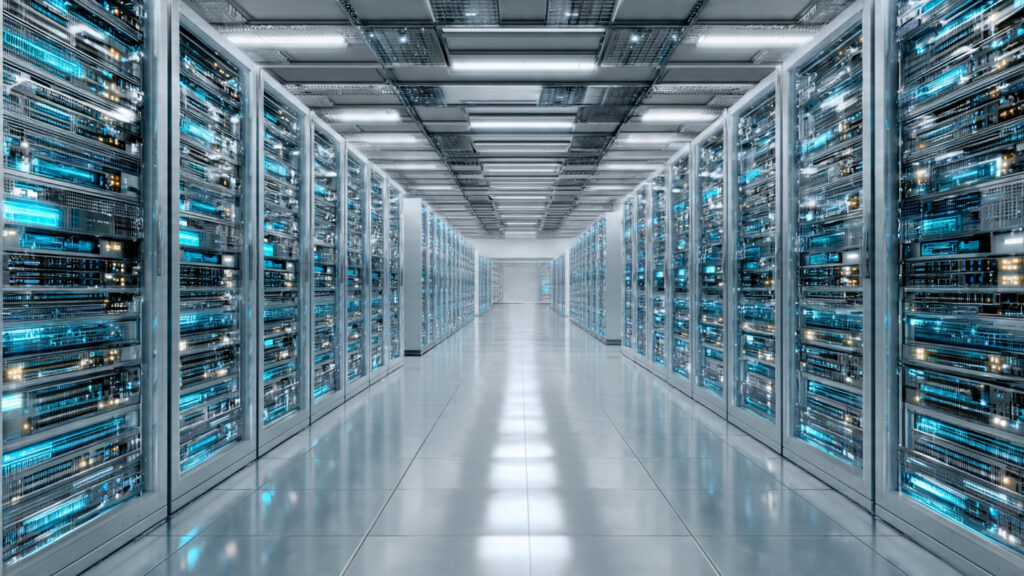
Cloud services depend on massive data centers that house thousands of servers.
These facilities require:
- Continuous power
- Redundant cooling
- Physical security
- Reliable connectivity
Failures inside data centers can result from:
- Power grid issues
- Cooling system breakdowns
- Fire suppression errors
- Human misconfiguration
Because many online services share the same infrastructure, one data center outage can disrupt unrelated platforms simultaneously.
The DNS System: Small Structure, Massive Impact

The Domain Name System is a translation layer that allows humans to use readable website names.
DNS failures cause:
- Websites to become unreachable
- Apps to stop functioning
- Authentication systems to fail
Although DNS is distributed, it relies on a limited number of root servers and major providers. Misconfigurations or attacks can quickly ripple across the internet.
This makes DNS one of the most fragile components in the backbone.
Routing Protocols and Human Error
Internet routing depends on automated protocols that exchange routing information between networks.
These systems are:
- Highly trusted
- Largely decentralized
- Vulnerable to misconfiguration
A single incorrect routing update can accidentally redirect or block traffic for large parts of the internet. These incidents are surprisingly common and often caused by simple mistakes.
Human error remains one of the biggest threats to internet stability.
Centralized Cloud Services Increase Fragility
Modern internet usage depends heavily on a few major cloud providers.
They host:
- Websites
- APIs
- Authentication services
- Payment systems
This concentration improves performance but reduces resilience. When a major provider experiences issues, thousands of services fail simultaneously.
The fragile backbone of the internet is increasingly shaped by this centralization.
Power Infrastructure: The Silent Dependency
Every part of the internet depends on electricity.
Power-related risks include:
- Grid failures
- Fuel shortages
- Natural disasters
- Extreme weather
Backup generators help, but they are not infinite. Extended outages can disable even well-prepared facilities.
Power instability remains a critical weakness in global connectivity.
Natural Disasters and Climate Pressure
Climate-related events increasingly threaten infrastructure.
Risks include:
- Flooded data centers
- Storm-damaged cables
- Heatwaves affecting cooling systems
Many internet facilities were built for past climate conditions. As extremes increase, infrastructure resilience is being tested in new ways.
Geopolitical Control of Infrastructure
Governments control internet infrastructure within their borders.
They can:
- Restrict traffic
- Shut down access
- Redirect routing
These actions demonstrate that internet access is not purely technical. Political decisions can disconnect millions instantly.
This adds another layer of fragility beyond engineering concerns.
Cyberattacks on Infrastructure Layers
Modern attacks increasingly target infrastructure rather than individual websites.
Targets include:
- DNS providers
- Routing systems
- Network management tools
Attacks at this level cause widespread disruption with minimal effort.
Defending infrastructure is complex and requires global coordination.
Maintenance Debt and Aging Systems
Much of the internet runs on aging infrastructure.
Challenges include:
- Deferred maintenance
- Legacy systems
- Lack of skilled personnel
As systems grow more complex, maintenance becomes harder. This increases the likelihood of failure over time.
Why Internet Failures Cascade
Internet systems are deeply interconnected.
One failure can:
- Overload backups
- Trigger automated responses
- Cause secondary outages
These cascading effects explain why small issues sometimes cause massive disruptions.
What True Internet Resilience Requires
Reducing fragility requires:
- Geographic diversity
- Decentralized services
- Better routing validation
- Infrastructure investment
These improvements are costly and slow, which is why progress is uneven.
Why Understanding the Fragile Backbone Matters
Understanding the fragile backbone of the internet helps:
- Businesses plan redundancy
- Developers design resilient systems
- Policymakers protect infrastructure
- Users understand outages realistically
Awareness leads to preparation rather than surprise.
The Internet Is Strong Because It Is Repaired Constantly
The internet survives not because it is unbreakable, but because it is continuously monitored, repaired, and adapted.
Engineers respond to failures daily. Ships repair cables. Teams reroute traffic. Systems recover.
This ongoing effort is what keeps the fragile backbone of the internet functioning.
Final Perspective
The internet is one of humanity’s most complex systems. Its fragility does not mean weakness. It means dependence on coordination, trust, and maintenance.
Recognizing this reality changes how we think about connectivity. The internet is not guaranteed. It is sustained.
That understanding is essential in a world that depends on it every second.