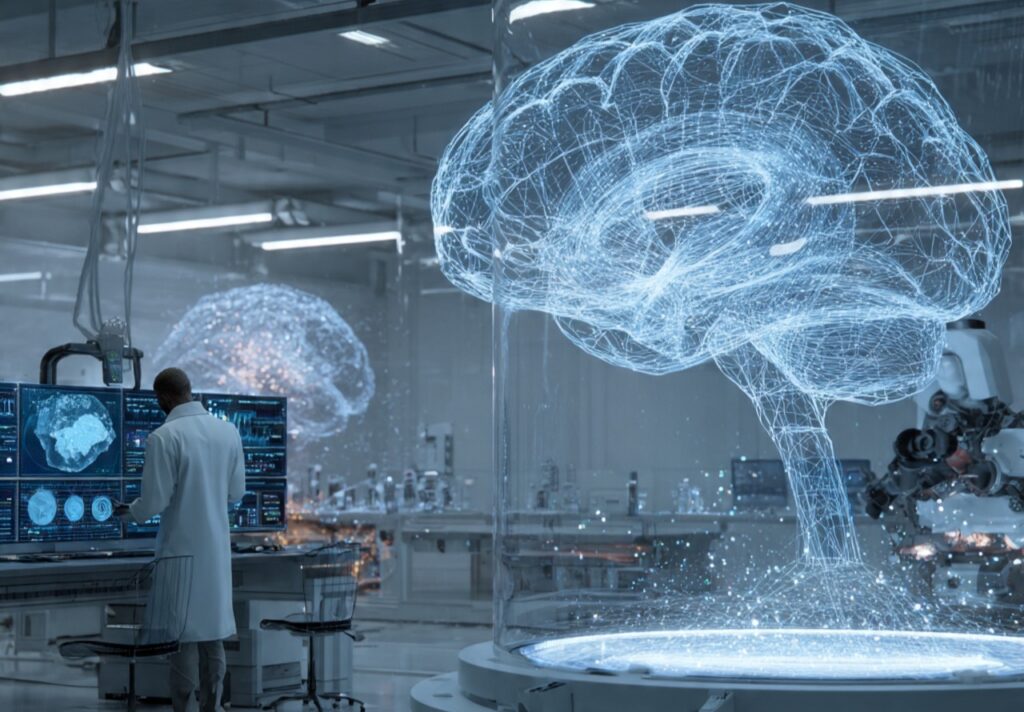
Top 20 Skills Developers Should Work On Today
In the rapidly evolving world of technology, developers must go beyond writing code. Artificial intelligence, cloud computing, cybersecurity, and modern software architectures are reshaping the industry. Developers who want to remain highly employable and AI-resistant need to master a combination of technical, strategic, and human-centric skills.
This article covers the top 20 skills developers should work on today, including technical skills, AI literacy, cloud knowledge, soft skills, and emerging tech expertise. For a deeper look at software careers that remain valuable even as AI evolves, check out this analysis on AI‑proof careers: https://digestblog.com/ai-proof-software-careers/
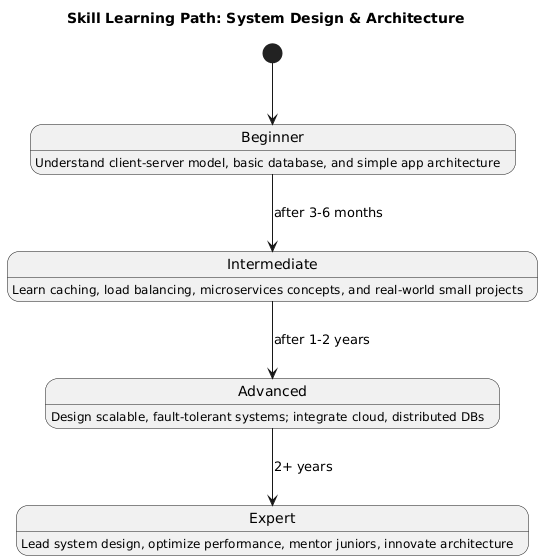
1. System Design & Architecture
System design is the backbone of large-scale software applications. Developers need to plan how components like databases, APIs, caches, and microservices interact efficiently. Learning system architecture involves tackling scalability, fault tolerance, load balancing, and latency optimization. For example, designing a streaming platform that can serve millions of users globally requires strategic decisions about caching, server location, and database sharding. AI can generate snippets of code, but it cannot make high-level architecture decisions or foresee system bottlenecks. Understanding these principles allows developers to build reliable, maintainable, and scalable systems.
Resources:
2. Cloud Computing
Cloud computing has become essential as most modern applications are hosted on AWS, Google Cloud, or Microsoft Azure. Developers must understand virtual machines, serverless computing, storage solutions, networking, and distributed systems. Cloud expertise enables developers to deploy applications that scale efficiently, reduce downtime, and optimize costs. For example, using AWS Lambda for serverless functions or Google Cloud Functions for event-driven processes allows applications to scale dynamically without manual intervention. Cloud skills also include monitoring performance, setting up disaster recovery, and optimizing security.
Resources:
3. DevOps & CI/CD
DevOps bridges the gap between development and operations. Developers need to implement continuous integration and continuous deployment pipelines that automatically test, build, and deploy applications. Tools like Docker, Kubernetes, Jenkins, GitHub Actions, and Terraform allow teams to maintain reliability, monitor applications, and reduce manual errors. Even with AI-generated scripts, humans are needed to configure pipelines, handle failures, and optimize deployments for performance and cost. Developers with strong DevOps skills streamline software delivery and improve overall productivity.
Resources: Kubernetes Official Docs
4. Artificial Intelligence (AI) Literacy
AI literacy is about understanding how AI models work and how they can be applied in real-world software. Developers should know how datasets influence models, how training and evaluation work, and how AI can integrate into applications. For instance, a developer may use AI to build chatbots, recommendation engines, or predictive analytics tools. While AI can automate repetitive coding tasks, humans must understand the logic behind models, handle exceptions, and ensure ethical implementation. This skill is crucial for remaining relevant as AI becomes more integrated into software.
Resources: TensorFlow Tutorials
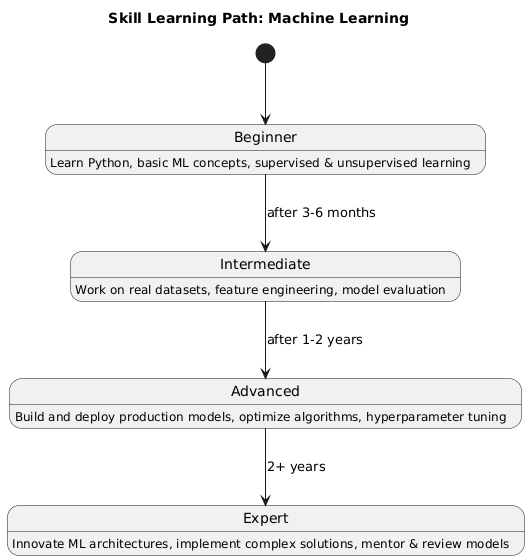
5. Machine Learning (ML)
Machine learning goes beyond AI literacy—it requires hands-on experience with training, testing, and deploying models. Developers need to understand supervised, unsupervised, and reinforcement learning techniques. Knowledge of libraries like Scikit-learn, PyTorch, or TensorFlow allows developers to create predictive models, classification systems, or automated recommendation engines. ML skills also involve hyperparameter tuning, feature engineering, and model optimization, areas where human judgment remains crucial. A developer skilled in ML can deliver intelligent applications that outperform standard software solutions.
Resources: PyTorch Tutorials
6. Data Engineering
Data engineers build robust pipelines for collecting, cleaning, transforming, and storing data. This data is critical for analytics and AI models. Tools like Apache Kafka, Spark, Hadoop, and Airflow allow developers to process massive datasets efficiently. AI cannot yet handle the complexity of designing reliable pipelines for inconsistent or incomplete data. Understanding ETL processes, data modeling, and data warehousing ensures that applications receive accurate and actionable information. Developers skilled in data engineering are highly valued in AI-driven enterprises.
Resources: Apache Airflow Docs
7. Cybersecurity
Cybersecurity is no longer optional for developers. Understanding threat modeling, encryption, authentication, and secure coding is essential for protecting data and applications. While AI can help detect certain attacks, human judgment is necessary to design secure systems and respond to evolving threats. Developers skilled in security can prevent data breaches, safeguard infrastructure, and ensure compliance with regulations such as GDPR. Organizations are increasingly hiring developers with cybersecurity awareness as a core competency.
Resources: OWASP Top 10
8. Full-Stack Development
Full-stack developers handle both frontend and backend responsibilities, enabling them to see the application from end-to-end. Skills include React, Angular, Vue.js, Node.js, Django, or Spring Boot, depending on your tech stack. Full-stack developers can build complete applications independently, a skill AI cannot replicate completely because it lacks understanding of business logic, user experience, and integration challenges. This versatility makes full-stack developers highly sought-after, especially in startups or small teams.
9. Programming Languages
Mastering a programming language deeply is critical. Python, JavaScript, Java, Go, and Rust remain top choices. Developers should go beyond syntax to understand libraries, frameworks, runtime environments, and performance optimization. While AI can generate code snippets, it cannot reason about the architecture or design complex logic. Strong programming language expertise allows developers to debug, optimize, and innovate beyond boilerplate code.
10. Edge Computing
Edge computing involves running AI and software on devices instead of centralized servers. Developers must optimize models for limited resources, latency constraints, and energy efficiency. Tools like TensorFlow Lite and ONNX enable AI inference on mobile and IoT devices. Human engineers are critical for balancing accuracy, performance, and efficiency, which AI cannot handle autonomously. This skill is increasingly important in IoT, autonomous systems, and smart devices.
11. Robotics & Embedded Systems
Developers working with hardware-software integration are in demand. This includes autonomous vehicles, industrial robots, drones, or smart appliances. Skills include C/C++, Python, real-time operating systems, sensors, and microcontrollers. AI can assist in controlling robotics, but engineers must handle unexpected real-world scenarios, safety, and hardware limitations. Robotics developers combine software knowledge with physical engineering—a domain AI cannot fully replace.
12. Blockchain Development
Blockchain is critical for decentralized apps, smart contracts, and cryptocurrencies. Developers need expertise in Solidity, Ethereum, Hyperledger, cryptography, and distributed systems. While AI can suggest smart contract snippets, humans must ensure security, logic, and real-world applicability. Blockchain developers also need to navigate compliance and consensus mechanisms, making this a highly specialized, AI-resistant skill.
Resources: Ethereum Developer Docs
13. AI Infrastructure Engineering
AI infrastructure engineers design hardware and software environments for training large-scale AI models. This includes GPU clusters, distributed computing, and cloud AI services. AI cannot self-optimize infrastructure, so humans are required to plan workloads, optimize performance, and manage resources. Developers in this field enable high-performance AI training and deployment, a growing and critical area in tech.
14. MLOps
MLOps integrates machine learning models into production environments. Developers need skills in Kubeflow, MLflow, model monitoring, and lifecycle management. Human engineers handle data drift, retraining, and performance issues. This skill bridges ML and software engineering, making developers capable of delivering robust AI-powered applications.
Resources: MLflow Docs
15. AI Safety & Ethics
AI safety focuses on preventing harm from AI systems, including bias, unsafe outputs, and unintended consequences. Developers must ensure models align with ethical guidelines and regulatory standards. AI cannot self-regulate its ethical behavior, so humans must audit, test, and improve fairness. This skill is becoming essential as AI adoption grows across industries.
16. API Development & Integration
APIs connect software systems. Developers must know RESTful APIs, GraphQL, authentication, rate-limiting, and error handling. AI can generate endpoint code but cannot understand the system-wide implications of API design. Skills in API design enable developers to create scalable, secure, and maintainable integrations.
17. Cloud Security
Securing cloud-based applications requires knowledge of IAM, network security, encryption, and compliance standards. AI can monitor anomalies, but humans make critical decisions regarding access policies and threat mitigation. Cloud security expertise is in demand as organizations increasingly migrate infrastructure to cloud platforms.
18. Soft Skills
Soft skills like communication, collaboration, leadership, and problem-solving are irreplaceable. Developers interact with managers, designers, QA, and clients, requiring negotiation and teamwork. While AI can automate tasks, human skills are essential for decision-making, mentoring, and innovative thinking.
19. Data Visualization & Analytics
Data visualization translates complex datasets into actionable insights. Tools like Tableau, Power BI, Matplotlib, and Seaborn help present data effectively. AI can generate charts, but humans interpret trends, anomalies, and business implications, which is vital for decision-making.
20. Continuous Learning & Adaptability
Technology evolves constantly. Developers must keep learning new frameworks, languages, and emerging tools. Skills like Generative AI, edge computing, and blockchain will be critical in coming years. Adopting a growth mindset ensures long-term career sustainability and relevance in a rapidly changing industry.
Table: Skill Importance (1–10)
| Skill | Importance |
|---|---|
| System Design | 10 |
| Cloud Computing | 9 |
| DevOps / CI-CD | 9 |
| AI Literacy | 8 |
| Machine Learning | 8 |
| Data Engineering | 9 |
| Cybersecurity | 9 |
| Full-Stack Development | 8 |
| Programming Languages | 10 |
| Edge Computing | 7 |
| Robotics & Embedded | 7 |
| Blockchain | 7 |
| AI Infrastructure | 8 |
| MLOps | 8 |
| AI Safety & Ethics | 8 |
| API Development | 8 |
| Cloud Security | 9 |
| Soft Skills | 10 |
| Data Visualization | 8 |
| Continuous Learning | 10 |