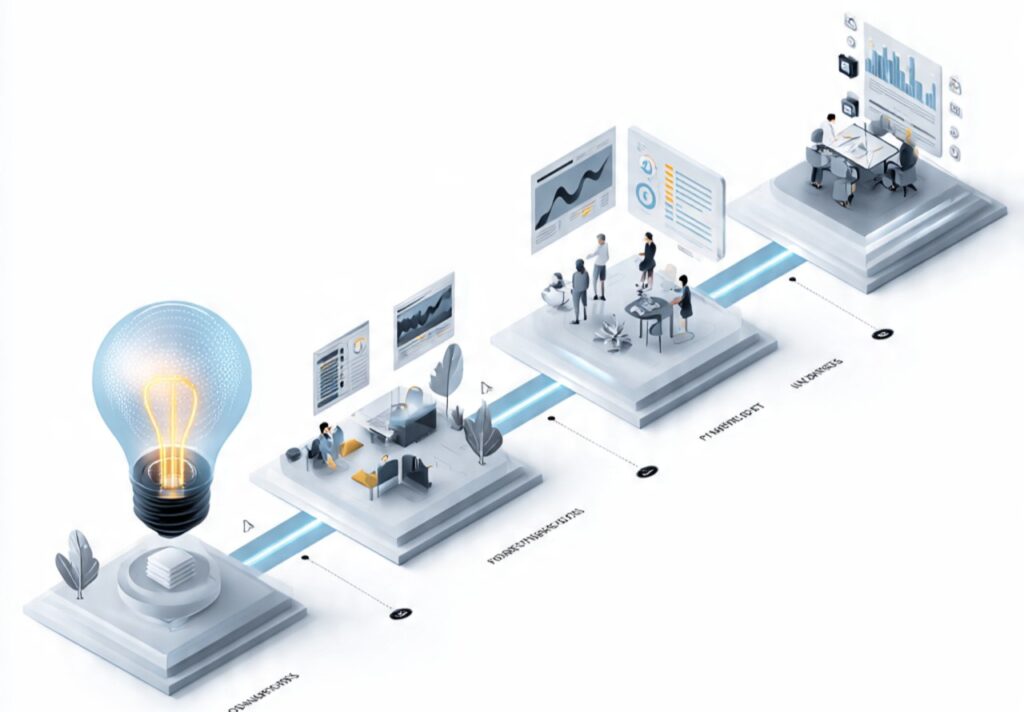

Machine Learning Mastery: Skills, Projects, and Career Roadmap
Machine Learning Mastery: The Complete Step-by-Step Roadmap Machine learning mastery is one of the most powerful skills you can build today. It is not only shaping the future of technology, but also transforming industries like healthcare, finance, marketing, education, robotics, and business strategy. However, the biggest problem for learners is simple: most people don’t fail because machine learning is too hard. They fail because they follow the wrong path. Many learners jump between random tutorials, copy code without understanding, or try deep learning too early. As a result, they feel stuck. That is why this guide gives you a full roadmap, step-by-step, so you can master machine learning in the correct order, with confidence and clarity. By the end, you will know exactly what to learn, how to practice, what projects to build, and how to become job-ready. What Machine Learning Mastery Actually Means Machine learning mastery does not mean memorizing algorithms. Instead, it means you can solve real problems using machine learning systems. A person with true machine learning mastery can: Mastery is not theory. It is applied skill. The Full Machine Learning Mastery Roadmap (Step-by-Step) Now let’s break down the complete learning journey. Follow these steps in order. Step 1: Master the Core Foundations First Before touching machine learning algorithms, you must build the foundation. Many beginners skip this, and later everything feels confusing. What You Must Learn Here Basic Math for ML (Only What You Need) You do not need advanced calculus, but you must understand: For example, models work because they find patterns inside vectors of numbers. Once you understand that, algorithms stop feeling like magic. Learn How Data Becomes Information Machine learning is simply learning from data. So first understand: This stage builds clarity. Step 2: Learn Python for Machine Learning Properly Machine learning mastery requires strong Python skills, but you don’t need everything. Focus only on what machine learning uses. Key Python Skills to Practice Libraries You Must Learn Early At this stage, your goal is simple: Become comfortable working with data inside Python. Step 3: Become Excellent at Data Handling Here is a truth: machine learning is 80% data work and only 20% modeling. So if you want machine learning mastery, you must master data first. Learn Data Cleaning Deeply Real datasets are messy. You must learn how to handle: For example, if customer income has missing values, your model will fail unless you treat it properly. Feature Engineering (The Skill of Experts) Feature engineering is the difference between average and excellent models. Examples: Strong features create strong models. Step 4: Understand Machine Learning Types Clearly Before algorithms, you must know what kind of learning you are doing. Supervised Learning Used when you have labeled data. Examples: Unsupervised Learning Used when data has no labels. Examples: Reinforcement Learning Used when an agent learns through reward. Examples: Mastery begins when you know which type fits which problem. Step 5: Learn Core Algorithms in the Right Order Do not learn 20 algorithms at once. Instead, master the most important ones deeply. Algorithm 1: Linear Regression Best for predicting continuous values. Learn: Algorithm 2: Logistic Regression Best for classification problems. Learn: Algorithm 3: Decision Trees Trees teach interpretability. Learn: Algorithm 4: Random Forest One of the most useful real-world models. Learn: Algorithm 5: Gradient Boosting (XGBoost) Industry-level performance model. Learn: Once these are mastered, you can solve most business ML tasks. Step 6: Master Model Evaluation Like a Professional Beginners focus only on accuracy, but professionals focus on decision impact. You must understand metrics like precision, recall, F1 score, ROC-AUC, and confusion matrices. For example, in fraud detection, missing fraud cases is far worse than raising false alarms. Machine learning mastery means choosing metrics based on the real goal, not just the highest number. Step 7: Learn Model Improvement Techniques This is where mastery begins. Hyperparameter Tuning Learn how to improve models using: Regularization Prevents overfitting. Learn: Cross Validation Ensures stability. Instead of trusting one split, test multiple folds. These techniques separate experts from beginners. Step 8: Build Real Projects That Make You Job-Ready Projects are not optional. They are proof of mastery. Project 1: Customer Churn Prediction Build a model predicting who will leave a service. Includes: Project 2: Recommendation System Suggest products or content. Includes: Project 3: Fraud Detection Work with imbalanced datasets. Includes: Project 4: Sentiment Analysis NLP Analyze customer reviews. Includes: Project 5: Image Classification Use CNNs and transfer learning. Includes: Projects build confidence and portfolio strength. Step 9: Deep Learning Mastery (Only After ML Basics) Deep learning is powerful but should come later. Start with: Tools: Deep learning mastery comes from projects, not theory. Step 10: Deployment (The Final Level of Mastery) A model in a notebook is not mastery. A model in production is mastery. Learn: Deployment makes you industry-ready. Complete Machine Learning Mastery Timeline Month 1–2: Foundations + Python + Data Month 3–4: Core ML Models + Evaluation Month 5–6: Projects + Portfolio Month 7–8: Deep Learning + NLP/CV Month 9+: Deployment + Real-world Systems Consistency matters more than speed. Final Thoughts: Machine Learning Mastery Is Built, Not Gifted Machine learning mastery is not about talent or genius. It is about following the right roadmap, practicing real projects, and developing the mindset of a problem solver. The future belongs to those who can combine data, algorithms, and real-world thinking into useful solutions. If you stay consistent, focus on depth, and build real systems, mastery will come naturally over time.
Machine Learning Mastery: Skills, Projects, and Career Roadmap Read More »