Emerging Trends in Technology Shaping the Future
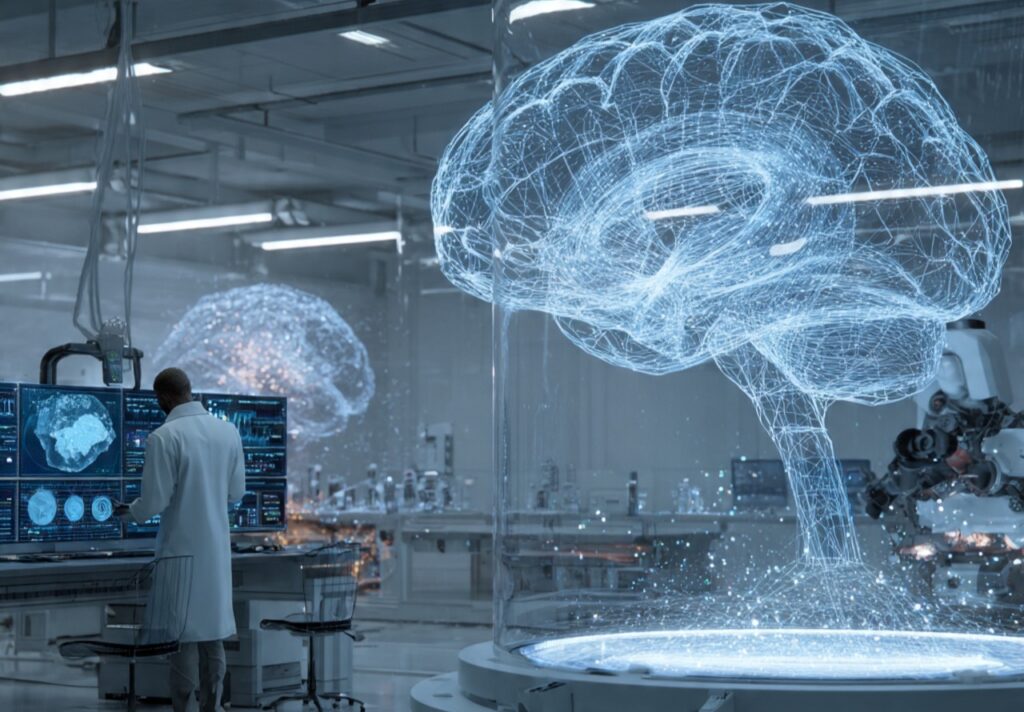
Technology is evolving faster than ever before. Every year, new innovations redefine how people live, work, communicate, and solve problems. As a result, emerging trends in technology are not only reshaping industries but also influencing education, healthcare, business, and society at large. Moreover, organizations that understand these trends early gain a strong competitive advantage, while individuals become better prepared for the future.
In today’s digital era, technology no longer supports growth; instead, it drives it. Consequently, understanding emerging trends in technology has become essential for professionals, entrepreneurs, students, and decision-makers alike. From artificial intelligence to green technology, each trend brings opportunities, challenges, and long-term impact.
This comprehensive guide explores the most influential emerging trends in technology, explains their significance, and highlights how they are shaping the future.
Artificial Intelligence and Machine Learning Evolution
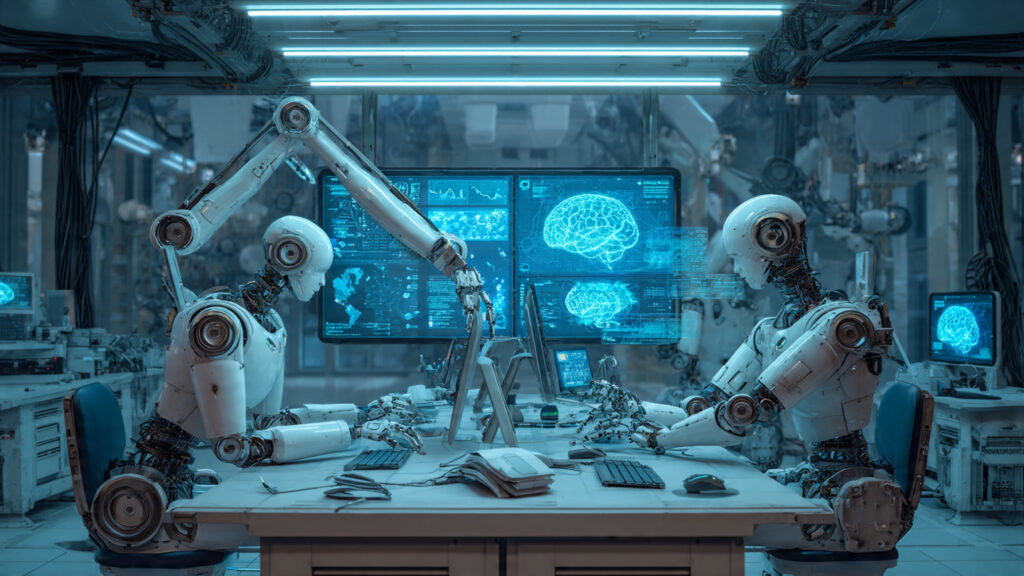
Artificial intelligence continues to dominate emerging trends in technology. However, modern AI goes far beyond automation and basic data analysis. Today, AI systems learn, adapt, and make decisions with remarkable accuracy.
Machine learning models now process massive datasets efficiently. As a result, businesses can predict customer behavior, detect fraud, and optimize operations. Furthermore, deep learning enhances image recognition, natural language processing, and voice assistants.
AI is increasingly embedded into daily tools. For instance, recommendation engines personalize content, while smart assistants improve productivity. Additionally, generative AI creates text, images, and videos, revolutionizing creative industries.
Despite its benefits, AI also raises ethical concerns. Therefore, responsible AI development, transparency, and bias reduction are becoming critical priorities.
Learn more about artificial intelligence fundamentals from Wikipedia
https://en.wikipedia.org/wiki/Artificial_intelligence
Automation and Intelligent Process Optimization
Automation remains one of the most practical emerging trends in technology. However, modern automation is no longer rule-based only. Instead, it integrates AI to create intelligent automation systems.
Robotic process automation handles repetitive tasks efficiently. Consequently, employees focus on strategic and creative work. In manufacturing, smart robots improve precision, safety, and productivity.
Moreover, automation transforms customer service through chatbots and virtual agents. These systems provide instant responses while learning from interactions. As a result, customer satisfaction improves significantly.
Nevertheless, automation demands workforce reskilling. Therefore, continuous learning becomes essential in a technology-driven economy.
Cloud Computing and Edge Technologies

Cloud computing continues to redefine IT infrastructure. Instead of maintaining physical servers, organizations rely on scalable cloud platforms. As a result, businesses reduce costs and increase agility.
Emerging trends in technology also include edge computing. This approach processes data closer to its source, reducing latency. Consequently, applications such as autonomous vehicles and smart cities perform more efficiently.
Hybrid and multi-cloud strategies are gaining popularity. They offer flexibility, security, and performance optimization. Furthermore, cloud platforms now integrate AI, analytics, and security services seamlessly.
To explore cloud computing basics
https://en.wikipedia.org/wiki/Cloud_computing
Cybersecurity and Digital Trust

As technology advances, cybersecurity becomes increasingly important. Cyber threats grow more sophisticated, targeting individuals, businesses, and governments alike.
Emerging trends in technology emphasize zero-trust security models. Instead of assuming trust, systems verify every access request. Consequently, data protection improves significantly.
AI also enhances cybersecurity. Machine learning detects anomalies, predicts attacks, and responds faster than traditional systems. Additionally, biometric authentication strengthens digital identity verification.
However, cybersecurity awareness remains crucial. Therefore, education, strong policies, and ethical practices form the foundation of digital trust.
Blockchain Beyond Cryptocurrencies

Blockchain technology is evolving beyond digital currencies. Initially associated with cryptocurrencies, blockchain now supports diverse applications.
Supply chain transparency improves through blockchain tracking. As a result, organizations verify product authenticity and reduce fraud. Similarly, smart contracts automate agreements securely and transparently.
In healthcare, blockchain protects patient data while ensuring secure sharing. Furthermore, decentralized finance expands financial inclusion globally.
Understanding blockchain technology
https://en.wikipedia.org/wiki/Blockchain
Internet of Things and Smart Ecosystems

The Internet of Things connects devices, systems, and environments. Consequently, data flows seamlessly across networks.
Smart homes enhance comfort and energy efficiency. Meanwhile, smart cities optimize traffic, utilities, and public safety. In healthcare, IoT devices monitor patients remotely, improving outcomes.
Emerging trends in technology show IoT integrating AI and edge computing. This combination enables real-time decision-making and predictive maintenance.
Extended Reality Transforming Experiences

Extended reality includes virtual reality, augmented reality, and mixed reality. These technologies are transforming education, entertainment, and training.
Virtual reality creates immersive learning environments. As a result, students and professionals gain hands-on experience safely. Augmented reality overlays digital information onto the physical world, enhancing productivity.
Businesses use extended reality for product visualization, remote collaboration, and customer engagement. Consequently, user experiences become more interactive and engaging.
Green Technology and Sustainable Innovation
Sustainability is now a core focus of emerging trends in technology. Green technology aims to reduce environmental impact while supporting growth.
Renewable energy systems, smart grids, and energy-efficient devices drive sustainability. Moreover, AI optimizes energy consumption across industries.
Technology also supports climate monitoring and environmental protection. Therefore, innovation plays a vital role in achieving global sustainability goals.
Quantum Computing Potential
Quantum computing represents a revolutionary shift in computational power. Unlike classical computers, quantum systems process information using quantum bits.
Although still developing, quantum computing promises breakthroughs in cryptography, drug discovery, and optimization problems. Consequently, researchers and tech giants invest heavily in this field.
While challenges remain, quantum technology holds transformative potential for the future.
Human-Technology Collaboration
Emerging trends in technology emphasize collaboration rather than replacement. Technology augments human capabilities instead of eliminating them.
AI assists doctors, engineers, and educators. Meanwhile, automation supports creativity and innovation. Therefore, future workplaces blend human intelligence with digital tools.
Ethical design and inclusivity remain essential to ensure technology benefits everyone.
The Future of Emerging Trends in Technology
The future of technology is interconnected, intelligent, and sustainable. Emerging trends in technology will continue to reshape industries, redefine skills, and influence society.
Organizations must stay adaptable, invest in learning, and embrace innovation responsibly. Meanwhile, individuals should develop digital literacy and critical thinking.
Ultimately, technology serves as a tool. When guided by ethics, creativity, and purpose, it becomes a powerful force for positive change.
Final Thoughts
Emerging trends in technology are not temporary shifts. Instead, they represent long-term transformations shaping the digital future. From artificial intelligence to green innovation, each trend contributes to a smarter, more connected world.
By understanding these trends today, individuals and organizations prepare for tomorrow. Technology will continue evolving; therefore, staying informed remains the key to success.