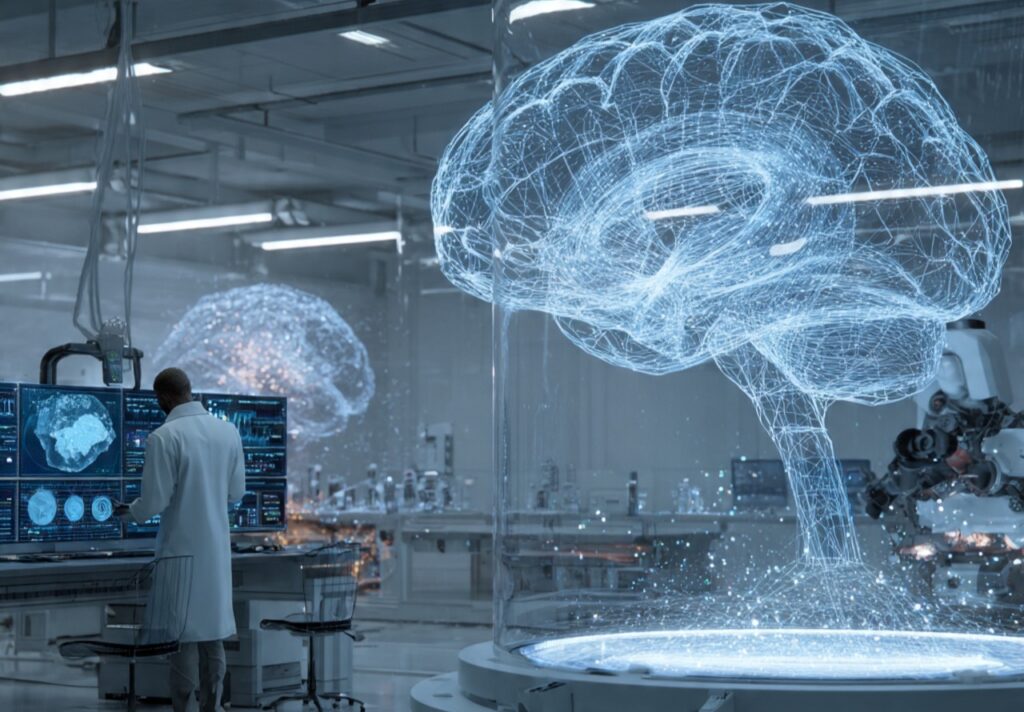
Future of Work in the Age of Automation
The future of work in the age of automation is not about humans losing jobs overnight. It is about jobs changing quietly, tasks shifting slowly, and people who fail to adapt getting left behind without realizing what went wrong.
Automation does not remove whole professions at once. It removes parts of jobs. People who understand this early can redesign their careers. People who ignore it usually feel stuck, confused, or replaceable.
This article is written to help you stay valuable, earn better, and work smarter in a world where machines handle routine work. Everything below focuses on actions, not fear.
How Automation Is Really Changing Work (What Most People Miss)
Automation is not replacing humans because machines are “smarter.” It replaces humans because machines are cheaper, faster, and more consistent for repetitive tasks. That means any work that follows fixed steps is at risk.
However, jobs that involve judgment, context, communication, creativity, and decision-making are becoming more valuable. The future belongs to people who work with automation, not against it.
Instead of asking “Will my job disappear?”, the better question is:
Which parts of my work can be automated — and which parts cannot?
Once you answer this honestly, you can reshape your role.
Skill Stacking Is the Real Career Insurance

In the future of work in the age of automation, having one skill is risky. Machines specialize. Humans win by combining skills.
For example:
- Writing + AI tools
- Marketing + data analysis
- Teaching + technology
- Business knowledge + automation tools
You don’t need to become a programmer. You need to understand how tools fit into your work.
Start by listing what you already do at work. Then identify which tasks are repetitive. Learn how automation tools can handle those tasks. This frees your time for higher-value work and makes you harder to replace.
People who stack skills earn more because they solve bigger problems.
Learn How to “Manage Automation,” Not Fear It

One of the most valuable future skills is automation management. This means knowing how to:
- Choose the right tool
- Set up workflows
- Monitor results
- Fix errors when automation fails
Companies don’t just need tools. They need people who know how to use them correctly.
You can start small. Learn tools related to your field. Practice automating simple tasks like scheduling, reporting, or content drafts. Over time, you become the person who understands both the work and the system.
That person is very difficult to replace.
Human Skills Are Becoming More Valuable, Not Less

While technical skills matter, human skills are becoming rare and powerful. Automation struggles with empathy, negotiation, leadership, and complex communication.
In the future of work, people who can:
- Explain ideas clearly
- Understand customer emotions
- Make good decisions with incomplete data
- Lead teams through change
will always be needed.
These skills are not learned from books alone. They improve through practice, feedback, and real interaction. People who invest in communication and leadership grow faster than those who only chase tools.
Career Flexibility Is More Important Than Job Titles

Automation is making job titles unstable. Roles change faster than ever. People who attach their identity to a single title struggle when change happens.
Instead, focus on functions, not titles. Ask:
What problems do I solve?
What value do I create?
When you understand this, moving between roles becomes easier. You can shift industries, freelance, consult, or start small businesses without starting from zero.
Flexibility is the new job security.
Continuous Learning Must Be Lightweight and Practical

Many people fail at learning because they aim too big. The future of work requires small, continuous learning, not degrees every year.
Instead of long courses, focus on:
- Short tutorials
- Real projects
- Learning by doing
Choose one skill that directly improves your work. Apply it immediately. This creates confidence and momentum.
Learning must fit into life, not replace it.
Remote and Hybrid Work Is a Skill, Not a Location

Remote work is not just about working from home. It requires new skills like self-management, clear communication, and digital collaboration.
People who succeed remotely know how to:
- Document work clearly
- Communicate without constant meetings
- Manage time without supervision
These skills make you valuable globally, not just locally. Automation supports remote work by handling coordination, scheduling, and tracking.
Those who master remote work gain access to more opportunities and better pay.
Personal Branding Becomes Career Protection

In the age of automation, being invisible is risky. Personal branding is not about social media fame. It is about being known for something specific.
This can be:
- Writing helpful content
- Sharing knowledge online
- Teaching what you learn
- Showing real work
A simple online presence creates opportunities. Employers, clients, and collaborators trust people they recognize.
Automation cannot replace reputation.
Building Multiple Income Streams Is a Smart Strategy
Relying on one income source is risky in an automated world. Automation makes income unstable but also creates new earning paths.
You can build:
- Freelance income
- Digital products
- Consulting services
- Online content
You don’t need all at once. Start with one small side stream. Over time, this creates safety and freedom.
People with multiple income streams adapt faster to change.
How to Prepare Today (Simple Action Plan)

You don’t need to panic or change everything. Start with these steps:
Audit your current work.
Identify tasks that automation can handle.
Learn one relevant tool.
Improve one human skill.
Build a small online presence.
Progress beats perfection.
The Real Future of Work Mindset
The future of work in the age of automation rewards people who:
- Stay curious
- Adapt early
- Learn continuously
- Combine skills
- Work with machines, not against them
Automation is not the enemy. Irrelevance is.
Those who prepare intentionally will not just survive — they will grow.