
SaaS Development: Building Software That Scales, Survives, and Serves Real Users
SaaS development is often misunderstood as simply “building an app and hosting it online.” In reality, it is one of the most demanding forms of software engineering. A SaaS product is not a static application. It is a living system that must operate continuously, serve users with different needs, adapt to growth, and remain stable even under unpredictable conditions.
Unlike traditional software, SaaS products cannot rely on users to update versions manually. Every improvement, bug fix, or security patch happens while customers are actively using the system. That single fact alone changes how software must be designed, tested, and deployed.
What SaaS Development Really Involves
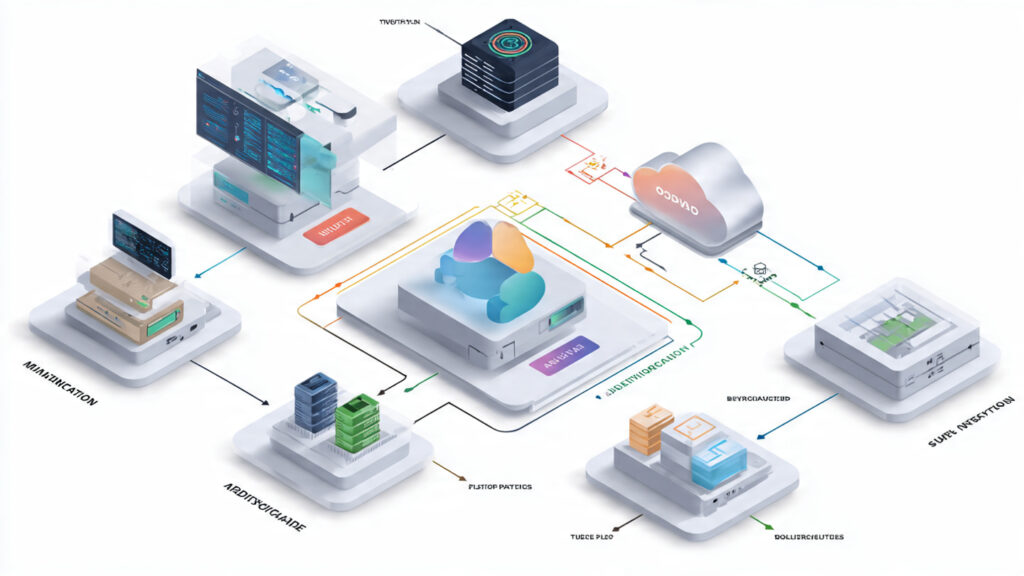
At its core, SaaS development is about delivering software as a continuous service rather than a finished product. Users do not buy it once; they trust it every day. That trust depends on availability, performance, and data integrity.
SaaS development includes:
- Designing systems that never fully shut down
- Managing thousands of users on shared infrastructure
- Updating features without breaking workflows
- Securing sensitive data across regions
Unlike traditional development, where deployment marks the end of work, SaaS development treats deployment as the beginning of responsibility.
The SaaS Mindset: Why Traditional Software Thinking Fails
Many SaaS failures happen because teams apply traditional software thinking to a service-based product. In traditional software:
- Bugs affect individual installations
- Performance issues are localized
- Updates are optional
In SaaS development:
- Bugs affect everyone at once
- Performance issues cascade globally
- Updates are unavoidable
This reality forces SaaS teams to think in terms of systems, not features. A feature that looks useful on paper can become dangerous if it introduces latency, increases database load, or complicates deployment pipelines.
SaaS Architecture: The Foundation of Stability
Monolithic SaaS Architecture
Early SaaS products often start as monoliths. This approach allows faster development and simpler testing. For small user bases, monoliths work well. However, as usage grows, every small change becomes risky.
In monolithic SaaS systems:
- One failure can crash the entire product
- Scaling requires duplicating the entire application
- Teams become afraid to modify core components
While monoliths are not inherently bad, successful SaaS development plans for evolution beyond them.
Modular and Service-Oriented Architecture
As SaaS platforms mature, they gradually separate components into modules or services. This allows:
- Independent scaling of high-load features
- Safer updates
- Clear ownership across teams
However, this transition introduces new challenges, including communication overhead and system complexity. SaaS development requires balancing simplicity with scalability rather than blindly chasing architectural trends.
Multi-Tenant Design: Power and Risk
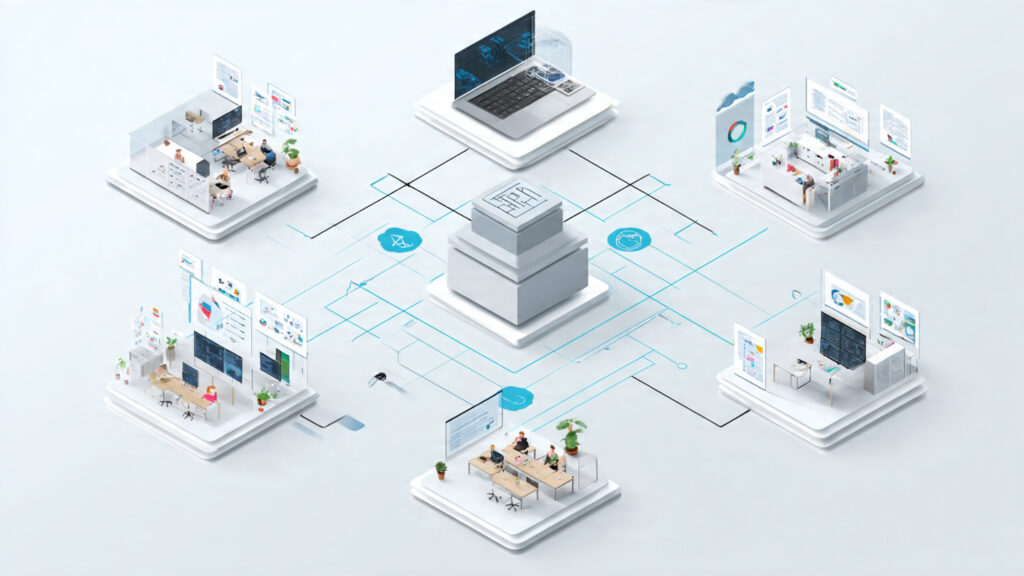
Multi-tenancy allows a single SaaS application to serve multiple customers using shared resources. It is one of the defining characteristics of SaaS development.
The benefits include:
- Lower operational costs
- Faster updates
- Simplified maintenance
The risks include:
- Data leakage if isolation fails
- Performance interference between tenants
- Complex permission logic
Strong SaaS development practices treat tenant isolation as a first-class concern, not an afterthought.
Scalability: Designing for Growth Without Panic
Scalability in SaaS development is not just about handling more users. It is about handling uneven growth. Some features grow faster than others. Some customers generate far more load than average.
Effective SaaS scalability strategies include:
- Horizontal scaling instead of vertical scaling
- Load balancing at multiple layers
- Asynchronous processing for heavy tasks
Teams that ignore scalability early often face emergency rewrites later, usually under pressure.
Cloud Infrastructure and SaaS Development
Modern SaaS development relies heavily on cloud platforms. Cloud infrastructure allows SaaS products to scale quickly, deploy globally, and recover from failures faster than traditional hosting.
However, cloud convenience can hide inefficiencies. Poor architecture decisions may remain invisible until cloud costs spike unexpectedly.
Successful SaaS development treats cloud resources as tools, not shortcuts.
Data Architecture in SaaS Platforms
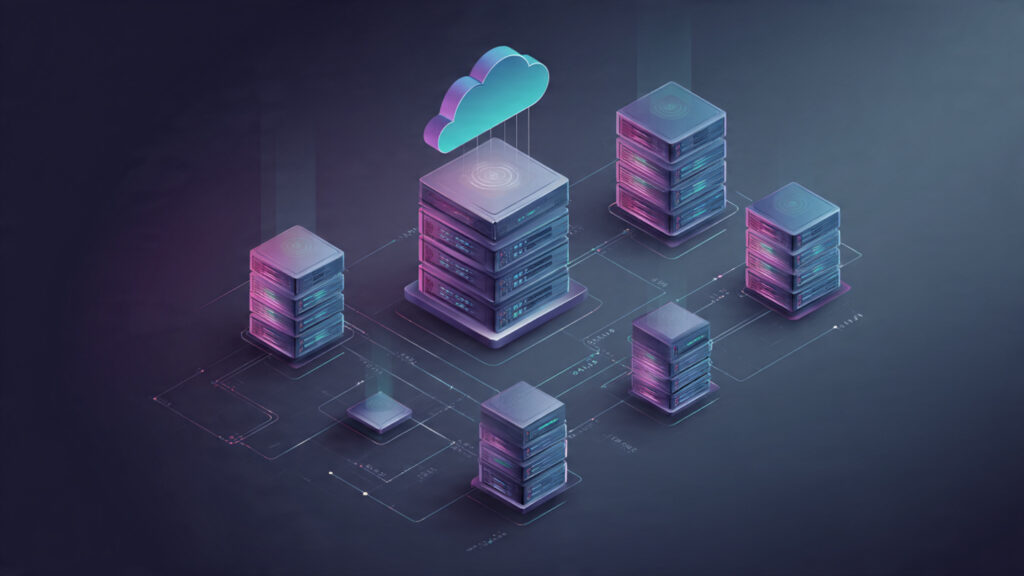
Data is the most critical asset in any SaaS product. Poor data design leads to slow performance, broken features, and compliance risks.
SaaS development must address:
- Data isolation between tenants
- Efficient indexing strategies
- Long-term data migration plans
Schema changes are particularly dangerous in SaaS products because they affect live systems. Teams must carefully plan how data evolves alongside features.
Security in SaaS Development: A Continuous Process
Security is not a milestone. It is an ongoing discipline in SaaS development.
Key security considerations include:
- Authentication and authorization flows
- Secure API design
- Protection against injection attacks
- Regular vulnerability assessments
SaaS platforms often store sensitive business data, making them attractive targets. Even minor security oversights can destroy customer trust permanently.
Compliance and Trust
Beyond technical security, SaaS development must consider compliance requirements such as data protection laws and industry regulations.
Compliance impacts:
- Data storage locations
- Access logging
- User consent mechanisms
Ignoring compliance during early SaaS development leads to painful retrofits later.
Performance Optimization in Real SaaS Products
Users rarely complain about missing features if the system feels fast and reliable. However, they quickly abandon slow platforms.
Performance optimization in SaaS development focuses on:
- Reducing response times
- Minimizing unnecessary database queries
- Caching frequently accessed information
Performance should be monitored continuously rather than tested occasionally.
Frontend and User Experience in SaaS Development
While backend systems carry the complexity, frontend experience determines adoption. SaaS products succeed when users can:
- Understand workflows quickly
- Complete tasks efficiently
- Trust that actions will not break the system
SaaS development teams that prioritize usability often outperform competitors with technically superior but confusing products.
Feature Development Without Feature Bloat
One of the biggest SaaS development traps is feature bloat. Adding features endlessly creates:
- Complex interfaces
- Higher maintenance costs
- Slower development cycles
Strong SaaS teams evaluate features based on actual usage rather than assumptions.
Pricing, Billing, and Subscription Logic
Billing systems are among the most fragile parts of SaaS development. Mistakes directly affect revenue and trust.
SaaS billing systems must handle:
- Recurring subscriptions
- Usage-based pricing
- Trials and refunds
Because billing touches financial data, many teams isolate it from core application logic.
Monitoring, Logging, and Observability
A SaaS product without monitoring is effectively blind. Failures will happen. The question is whether teams detect them early.
Effective SaaS observability includes:
- Real-time system metrics
- Error tracking
- User behavior monitoring
Observability transforms reactive firefighting into proactive maintenance.
Deployment and Continuous Delivery
SaaS development requires frequent deployments. Manual processes do not scale.
Modern SaaS delivery relies on:
- Automated testing
- Gradual rollouts
- Rollback mechanisms
Deployment pipelines should reduce risk rather than increase it.
Common SaaS Development Mistakes
Many SaaS products fail despite strong ideas. Common reasons include:
- Overengineering too early
- Ignoring operational costs
- Underestimating support needs
- Treating SaaS like a one-time build
Avoiding these mistakes requires discipline, not brilliance.
SaaS Development as an Ongoing Commitment
SaaS development never truly ends. Products evolve as users change, markets shift, and technology advances.
Successful SaaS teams focus on:
- Long-term maintainability
- Clear system ownership
- Sustainable development pace
SaaS is not about launching fast. It is about surviving long.