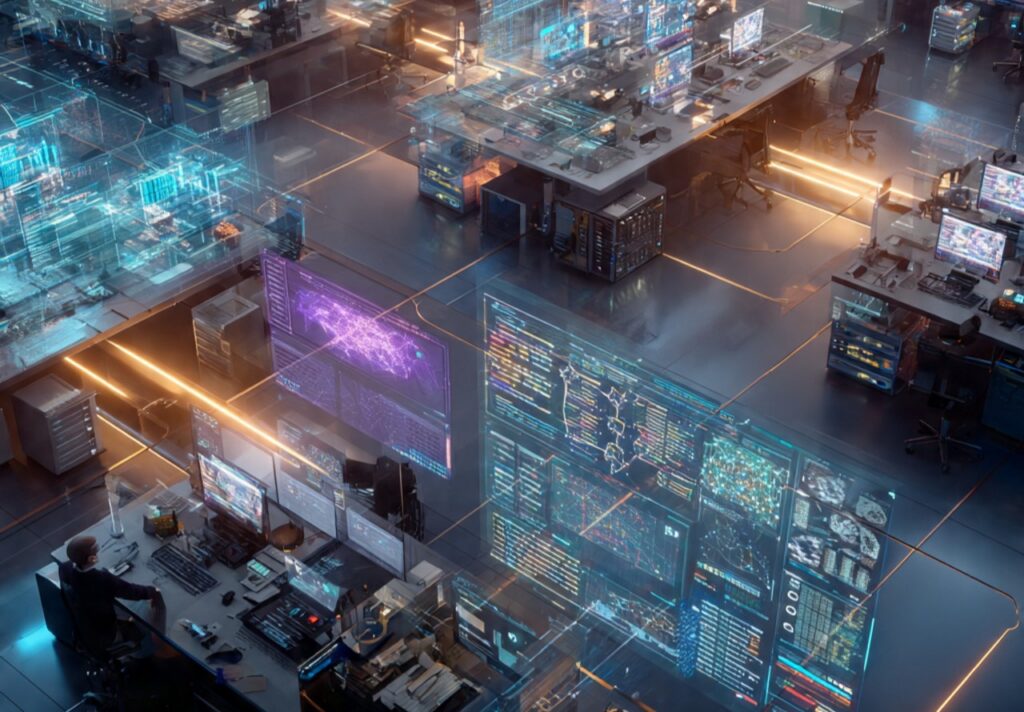
Spatial Computing and XR: The Future of Digital Reality
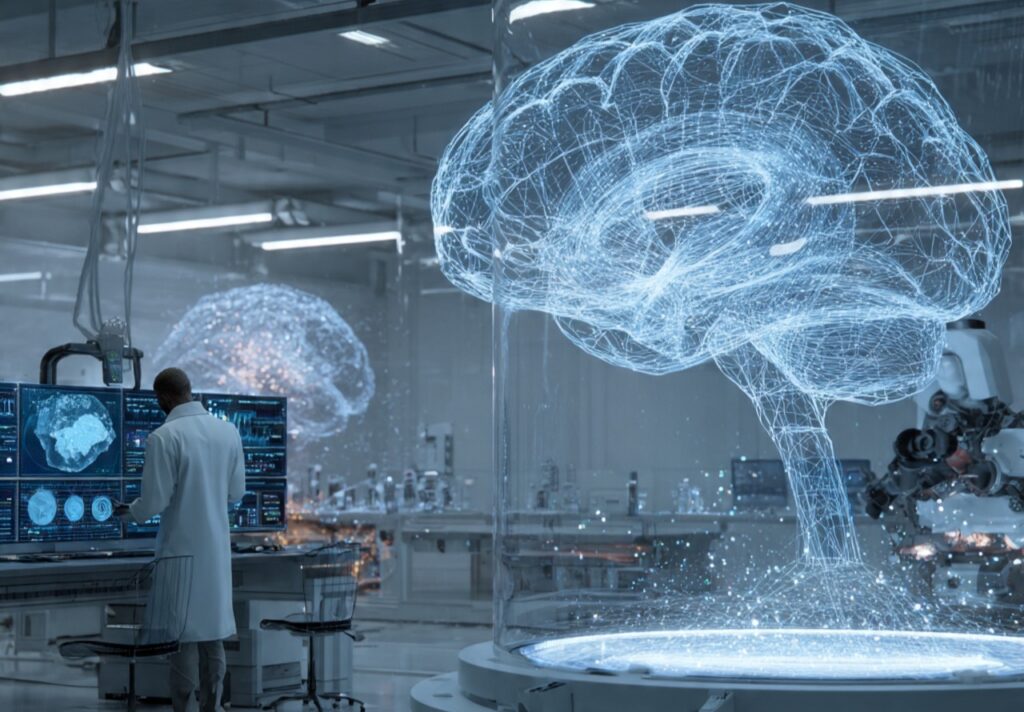
Spatial computing and XR are no longer futuristic concepts. They are quickly becoming part of how businesses operate, how professionals work, and how digital experiences are built. While many people still think of XR only as “VR headsets” or gaming technology, the reality is much bigger and far more important. We are entering a world where digital systems will not stay trapped inside screens. Instead, technology will blend directly into physical space, becoming part of our daily environments. This is what spatial computing enables, and XR becomes the experience layer that makes it real and usable. In this article, you will understand what spatial computing and XR truly mean, how they work, why they matter, and most importantly, how professionals and companies can use them strategically instead of treating them as temporary hype.
What Is Spatial Computing?
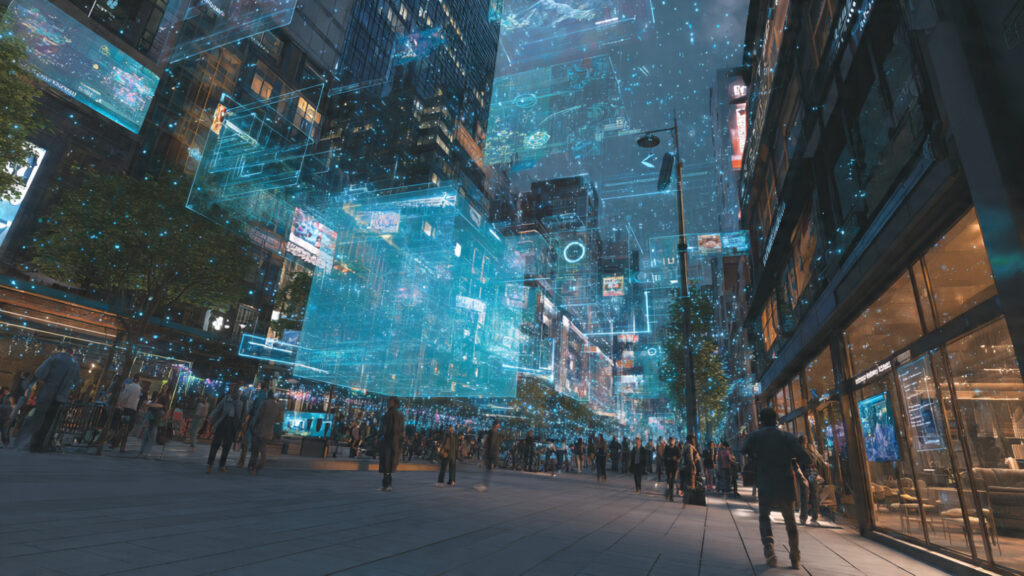
Spatial computing refers to technology that understands and interacts with the physical world in three dimensions. Unlike traditional computing, where interaction happens through keyboards, touchscreens, and flat displays, spatial computing allows digital content to exist in real space around us. In simple terms, it enables computers to see, map, and respond to the environment using sensors, AI, computer vision, and immersive interfaces. For example, instead of viewing a 3D product design on a laptop, spatial computing allows you to place it on your table, walk around it, resize it, and interact with it naturally. This shift is important because it changes computing from being device-based to being environment-based. Over time, this will completely transform how people work, learn, shop, collaborate, and experience digital information.
What Does XR Mean?
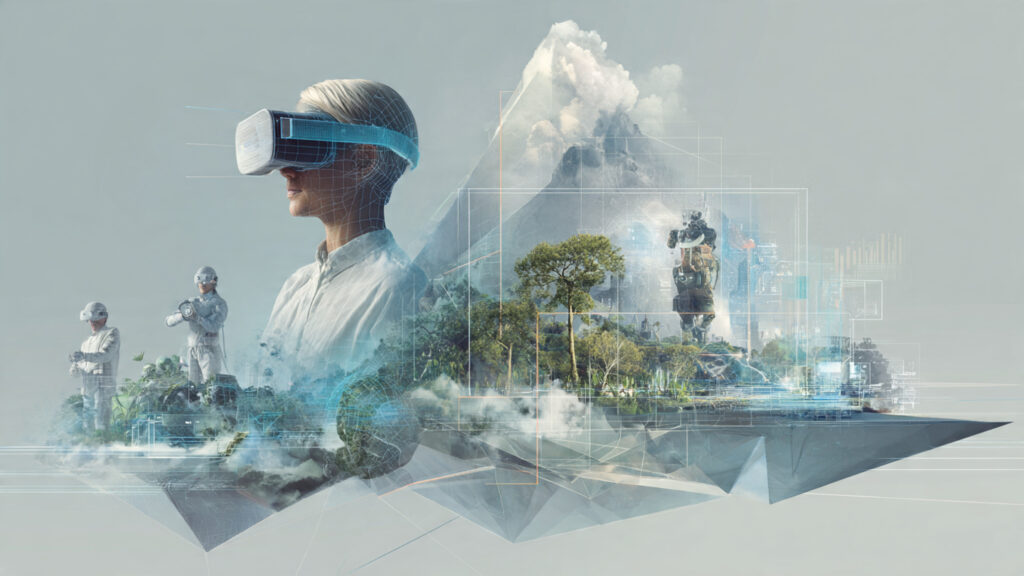
XR stands for Extended Reality, which is an umbrella term that includes Augmented Reality, Virtual Reality, and Mixed Reality. XR represents all immersive technologies that extend or replace our perception of reality by blending digital and physical experiences. Although each form is different, they all support the same goal: creating interactive environments beyond flat screens. XR is essentially the experience layer that people interact with, while spatial computing is the intelligence system that makes those experiences responsive, realistic, and scalable. Without spatial computing, XR would feel like a simple overlay. With spatial computing, XR becomes a meaningful interface for modern work and real-world problem solving.
Why Spatial Computing and XR Are a Major Shift
Spatial computing and XR represent a fundamental change in how humans interact with technology. For decades, digital work has been limited to screens, meaning everything happens through rectangles such as phones, laptops, monitors, and tablets. Whether you are designing, learning, collaborating, or shopping, your interaction has always been confined inside devices. However, XR breaks that boundary by bringing digital information into physical space, making interaction more natural and immersive. This shift matters because it unlocks new capabilities, not just better visuals. Spatial computing is moving us from screens to spaces, from clicks to natural gestures, from static content to interactive environments, and from remote work to shared immersive presence. Businesses that understand this early will gain a major advantage, while those who ignore it may struggle to keep up with the next era of digital transformation.
How Spatial Computing and XR Work (In Simple Depth)
To understand why this technology is so powerful, it helps to look at what is happening underneath. Spatial computing is not just about graphics or futuristic visuals. It is built on advanced systems that allow devices to understand environments, interpret human movement, and deliver digital experiences that feel grounded in reality. XR works because the technology can map physical space, respond intelligently, and allow real-time interaction through gestures, voice, and movement. Together, these systems create experiences that go beyond entertainment and become useful tools for training, design, collaboration, healthcare, and business productivity. The deeper strength of spatial computing is that it makes digital information context-aware, meaning it becomes part of the environment rather than separate from it.
1. Environment Mapping and Spatial Awareness
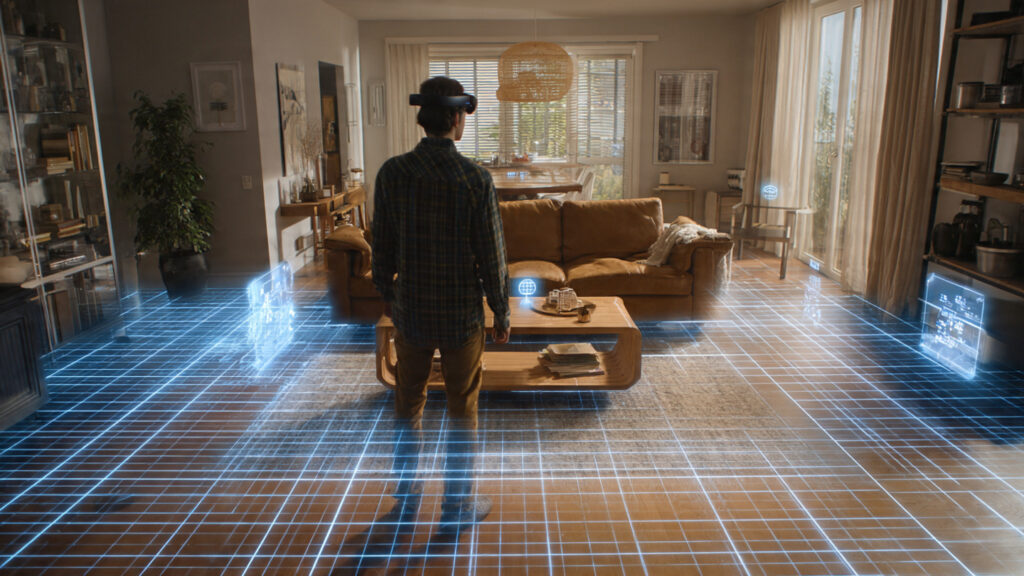
Spatial computing systems use sensors, cameras, and depth tracking to understand physical space. They create a digital map of the environment so virtual objects can stay anchored realistically in place. For example, if you place a virtual chair in your living room through AR, spatial mapping ensures it stays in the correct position even when you move around. This is what makes XR experiences feel real rather than fake overlays. Spatial awareness also allows systems to recognize walls, tables, floors, and obstacles, which is critical for professional use cases like training simulations or industrial guidance. Without accurate environment mapping, XR would remain a gimmick. With it, XR becomes a serious tool for real-world applications.
2. Computer Vision and AI Integration
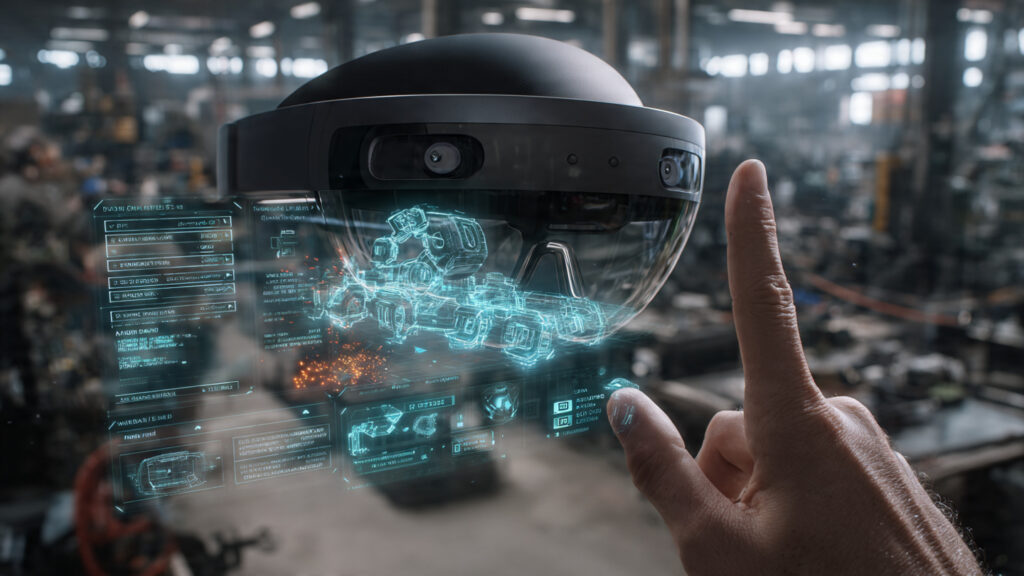
XR devices rely heavily on AI to interpret surroundings and respond intelligently. AI helps systems recognize surfaces, track movement, detect objects, and understand context in real time. This is why spatial computing is not just about immersive visuals but about intelligence operating inside physical space. For example, an XR training system can observe a worker’s actions and provide real-time guidance if they make a mistake. AI also enables personalization, meaning XR experiences can adapt to user behavior, skill level, or environment. As AI improves, spatial computing will become even more useful in business operations, healthcare, education, and automation.
3. Real-Time Interaction Through Gestures and Voice
Spatial computing enables interaction beyond keyboards and touchscreens. Users can point, grab, speak, move, and interact naturally, which reduces friction and makes digital work feel more human-centered. Instead of clicking menus or typing commands, professionals can manipulate 3D models directly using gestures or voice instructions. This is critical because it changes technology into something intuitive rather than technical. Over time, these natural interaction systems will become the default interface for many industries. The ability to work with digital objects as if they were physical will reshape design, training, collaboration, and daily workflows.
4. Persistent Digital Layers
A major upgrade in spatial computing is persistence. Digital content can remain attached to real-world locations over time, meaning environments can develop permanent digital layers. Workplaces, factories, hospitals, campuses, and even cities can have contextual information built into physical spaces. This will transform productivity, navigation, and collaboration. For example, workers could see maintenance instructions permanently linked to machines, or students could access interactive learning layers in classrooms. Persistence makes XR experiences continuous rather than temporary, which is essential for long-term professional adoption.
Real-World Applications That Actually Matter
Let’s move beyond gaming and explore where spatial computing and XR deliver real value. The most powerful applications are happening in industries where training, collaboration, design, and decision-making matter deeply. XR is becoming a productivity platform rather than an entertainment device. Businesses are using immersive experiences to reduce costs, improve safety, accelerate innovation, and create better customer engagement. The true value of spatial computing lies in solving real operational challenges, not in flashy demonstrations. These applications show how XR can become a serious competitive advantage.
1. Workforce Training Without Risk
One of the strongest use cases is immersive training. XR allows companies to train employees in high-risk environments safely, such as medical procedures, factory operations, aviation maintenance, and emergency response. Instead of learning through manuals or classroom lectures, workers learn through simulation and repetition. This improves skill retention and reduces costly mistakes. Companies can build repeatable XR training modules so every employee receives consistent practice without expensive physical setups. Over time, immersive training will become standard because it combines safety, realism, and scalability.
2. Remote Collaboration That Feels Physical
Video calls are useful, but they are limited because they lack true presence. Spatial computing enables immersive collaboration where teams can share a virtual workspace, interact with 3D objects, and feel present together. This is especially valuable for architecture teams, engineering reviews, product design, and remote education. Instead of explaining a design verbally, teams can stand inside it together, explore it from different angles, and make decisions faster. Remote collaboration through XR can reduce travel costs while improving clarity and engagement across distributed teams.
3. Product Design and Prototyping at Full Scale
Spatial computing allows designers to test products in real environments before manufacturing. Automotive companies can visualize dashboards inside vehicles, while retail brands can design store layouts virtually. This reduces the need for expensive physical prototypes and speeds up innovation. Using XR prototyping early helps reduce expensive redesign cycles later, saving both time and cost. Designers can identify flaws, improve usability, and validate customer experience before committing resources. This makes product development more efficient and less risky.
4. Healthcare and Surgical Support
XR is already transforming healthcare through surgical visualization, medical training, patient education, and therapy environments. Doctors can overlay patient scans onto the body during procedures, improving accuracy and reducing surgical risk. Medical students can practice complex procedures in immersive simulations before working with real patients. Healthcare adoption of XR is not about novelty; it is about saving lives, improving outcomes, and reducing errors. As the technology advances, XR will become a critical tool in modern medicine.
5. Retail and Customer Experience
Spatial computing changes how customers shop by allowing them to try products virtually, place furniture in their room, or preview clothing digitally. This reduces uncertainty and builds confidence before purchasing. Retailers can reduce returns by helping customers visualize purchases before buying, which improves satisfaction and trust. XR also creates more engaging brand experiences, especially for online-first companies. The future of retail will blend digital convenience with immersive physical interaction.
6. Smart Manufacturing and Industrial Workflows
Factories are adopting XR for real-time guidance and operational support. Workers can see step-by-step instructions overlaid directly on machines. Instead of stopping work to check manuals, they get assistance instantly. This reduces downtime, improves operational efficiency, and minimizes errors. Industrial XR also helps with remote expert support, where specialists can guide workers from anywhere. Manufacturing will increasingly rely on spatial computing to maintain productivity and reduce complexity.
7. Education and Skill Simulation
Learning becomes more powerful when it becomes immersive. Students can explore historical environments, scientific simulations, virtual labs, and interactive anatomy models. XR improves retention because learners experience knowledge instead of memorizing it. Education systems can use XR to provide equal access to advanced learning environments, regardless of location. Over time, immersive education will reshape how skills are developed, making learning more engaging and effective.
What Professionals Should Do Now to Stay Ahead
Spatial computing and XR are growing quickly, but most professionals are still unprepared. The best time to build skills is now, before adoption becomes mainstream. Professionals should stop seeing XR as entertainment and start seeing it as a business interface. Learning basic XR workflows, tools, and design thinking will be valuable across industries. Exploring platforms like Unity, Unreal Engine, and WebXR creates future advantage, even at a beginner level. Most importantly, professionals should focus on solving real problems with XR, not building flashy demos. The winners will not be those who chase hype, but those who create useful spatial experiences that improve work, training, and decision-making.
Challenges and Ethical Considerations
Spatial computing introduces challenges such as privacy risks from environment scanning, data security concerns, high hardware costs, digital fatigue, and accessibility issues. Responsible adoption requires strong governance and human-centered design. The best practice is to use XR where it improves outcomes, not where it adds unnecessary complexity. Ethical frameworks will be essential as XR becomes more widespread, especially in sensitive industries like healthcare and education.
The Future of Spatial Computing and XR
The next decade will bring XR glasses replacing phones, spatial workplaces replacing flat screens, AI-powered immersive assistants, digital twins of cities and factories, and new industries built around spatial interfaces. Spatial computing will become as foundational as mobile computing once was. This is not a temporary trend but a long-term platform shift that will reshape how humans work, learn, collaborate, and interact with technology. The future will not just be digital—it will be spatial.